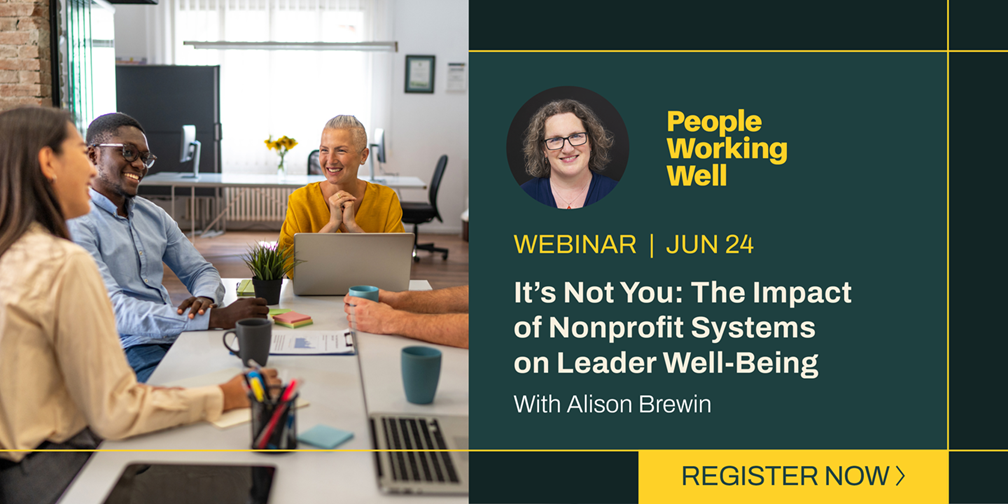
Tag: People Working Well

  • Building a Safer, Healthier Workplace: 5 Ways to Show Real Commitment to Safety and Wellness

    Building a Safer, Healthier Workplace: 5 Ways to Show Real Commitment to Safety and Wellness

    True organizational commitment to safety and well-being means creating a culture where everyone, from senior leaders to frontline staff, understands that safety is everyone’s responsibility. It’s about weaving safety into everyday decisions, conversations, and values—not just policies.

    When it comes to running a successful organization, few things matter more than keeping your people safe and well. Workplace safety and well-being isn’t just about meeting regulations—it’s about showing genuine care for the people who make your organization thrive.

    When employees feel protected, supported, and valued, they’re more engaged, productive, and loyal. Here’s how to make that kind of culture a reality.


    1. Lead by Example

    Leadership sets the tone. When leaders model safe behavior, it sends a clear message that safety isn’t optional—it’s essential.

    That means showing up for safety meetings, participating in safety training, and following the same rules as everyone else. It also means being transparent when things go wrong and demonstrating accountability.

    In a recent CSSHSA pilot on musculoskeletal injury prevention on transfers and repositioning best practices, managers and staff jointly participated in training and identified ways to troubleshoot complex situations for individuals they support. It was a great example of how safety training can build team culture and engagement.

    Employees notice what leaders do far more than what they say. When leaders prioritize safety, others naturally follow.


    2. Make Safety Part of the Business Strategy

    Safety shouldn’t compete with productivity—it should drive it.

    Integrate safety and wellness objectives into your business strategy, budgets, and performance metrics. Track safety outcomes alongside operational results. Leading indicators such as number of staff trained on violence prevention or participation in workplace mental health programs to name a couple of types of indicators. When safety is linked to business goals, it reinforces that a safe, healthy workplace is a sign of success—not an obstacle to it. Tracking safety objectives makes good business too – Learn more about WorkSafeBC experience rating.


    3. Invest in Training and Education

    Providing ongoing training is one of the strongest indicators of genuine commitment. Go beyond basic compliance training to include interactive sessions, scenario-based learning, and workshops focused on mental health and stress management. Investment in training is a good way to drive improvements to an organization’s WCB experience rating. Learn more about CSSHSA Learning Centre and how we are supporting social services sector wit best practices in education and training.

    Well-trained employees are confident, capable, and far more likely to identify and address hazards before they become incidents.


    4. Empower Employees to Speak Up

    A truly safe workplace thrives on open communication. Employees should feel free to raise safety concerns, report hazards, and suggest improvements—without fear of blame or retaliation.

    Establish anonymous reporting channels, create joint health and safety committees, and regularly invite feedback. When employees feel heard, they become active partners in maintaining a safe workplace. Learn more about Psychological Health and Safety in the workplace.


    5. Recognize and Celebrate Safety Success

    Recognition fuels motivation. Acknowledge individuals and teams who go above and beyond to promote safety and wellness.

    Simple gestures—like thank-you notes, certificates, or shoutouts in team meetings—reinforce that safety is valued and appreciated. Recognition builds pride, strengthens culture, and helps keep safety top of mind across the organization. Watch our past Webinar on Building a Culture of Recognition.


    Final Thoughts

    Commitment to workplace safety and wellness is more than a checklist—it’s a reflection of your organization’s values.

    When safety is integrated into every decision and interaction, it sends a clear message: we care about our people. That commitment not only prevents injuries and stress—it builds trust, engagement, and long-term success.

    Because at the end of the day, a safe workplace isn’t just good for people—it’s good for business.

  • Mindfulness Practices for Building Resilience

    Mindfulness Practices for Building Resilience

    For Community Social Services

    Frontline and community-based work is rewarding but often exhausting—especially with ongoing challenges like the opioid crisis, increasing mental health needs, and the lasting effects of the pandemic. In this session, Brian shares his personal story of recovery, and how mindfulness became a vital tool in his healing.

    You’ll explore how mindfulness supports well-being, the neuroscience behind how it works, and some of its real-world limitations. Together, we’ll try simple mindfulness practices, discuss how to apply them in everyday settings, and explore how they can strengthen team resilience and reduce burnout. You’ll also receive resources to help you, and your team build or refresh skills that support long-term sustainability in your work.

    Learning Objectives:

    By the end of this session, participants will be able to:

    • Understand how mindfulness impacts the brain and nervous system and recognize both its benefits and limitations.
    • Practice and reflect on mindfulness techniques that can be used individually or with teams in high-stress settings.
    • Distinguish between formal and everyday mindfulness and how to apply both to worker safety, emotional regulation, and therapeutic presence.
    • Identify resources and strategies to support sustainable personal and team care.

    About the presenter

    Brian Dean Williams is a registered clinical counsellor and approved clinical supervisor. Brian has worked on the frontlines for 28 years with folks struggling with mental health, substance use, housing, and marginalization. He has worked in the downtown eastside in Vancouver, and in small First Nations (Indigenous) communities. Brian’s main modalities are narrative therapy and Buddhist psychology, although he also draws from other collaborative forms of counselling and community work. He has taught at Correctional Services of Canada, Raincity Housing, Vancouver Coastal Health, the Kitasoo Xai’xais First Nation, and many more. Brian lives on the traditional unceded territories of the shíshálh Nation with his wife and three kids, where he loves mountain biking, playing hockey / basketball, and singing with his community. www.briandeanwilliams.com

    Watch Now

  • Balancing Leadership and Frontline Realities

    Balancing Leadership and Frontline Realities

    Balancing the delivery of meaningful, client-centred services with the financial and contractual realities of today’s social service sector is an ongoing challenge. Agencies are expected to do more with less, all while maintaining high standards of care and accountability.

    A unique tension arises when frontline professionals, known for their dedication to clients, are promoted into management roles — often without formal training in leadership, financial oversight, or strategic resource management. As a result, new managers may struggle to align their passion for service with the organizational demands of sustainability.

    This webinar explores the paradox of leadership in community-based social services and introduces practical strategies for bridging the gap. Participants will learn key skills required for new managers, including effective resource allocation, administrative oversight, and how to professionally develop and support their teams — all while keeping clients at the heart of their practice.

    By the end of this webinar, participants will be able to:

    • Identify the challenges involved in balancing the double bottom line of client-centered care and financial sustainability in social services.
    • Define the key roles and core competencies essential for effective middle management in community-based organizations.
    • Recognize how the parallel processes of the quality assurance cycle and the client service cycle impact overall organizational performance.

    About our presenter:

    With over 30 years of experience in the community-based social services sector, Chris Burt brings a deep and diverse understanding of the field from frontline work in staffed homes and hospital systems to outreach, child welfare, therapeutic services, family counselling, and parenting education. For the past 15 years, he has held senior leadership roles and currently serve as the Executive Director of a dynamic social service agency with more than 500 employees.

    His academic background includes a master’s degree in counselling psychology and a postgraduate credential in Organizational Leadership. Chris is passionate about building resilient teams, fostering psychologically safe workplaces, and driving meaningful, person-centered service delivery across systems.

  • Recognizing Burnout & Building Resilience – November 20

    Recognizing Burnout & Building Resilience – November 20

    For Community Social Services

    Feeling stressed and overwhelmed at work? Most people identify their workplace as a major contributor to stress. In this informative one-hour webinar, we’ll discuss workplace stress and burnout and how we can protect ourselves and support our colleagues with workplace stress and building resilience.

    • Learn what burnout is and isn’t and how to notice risk factors leading to it
    • Learn ways to cope with stress and build resilience
    • Learn how best support coworkers when experiencing burnout

    Presentation slides

    Recognizing Burnout and Resilience

  • Strategies for Coping with the Winter Blues – December 10

    Strategies for Coping with the Winter Blues – December 10

    For Community Social Services

    Join us for an engaging one-hour webinar designed to help you navigate the challenges of the winter months. We’ll work on individualized activity plans that align with your core values and support overall well-being. You’ll leave with actionable strategies help increase enjoyment and resilience during the shorter colder days.

    • Distinguish between the Winter Blues and Seasonal Affective Disorder (SAD), identifying the key differences and symptoms of each.
    • Examine how thoughts, feelings, and behaviors influence our mood and well-being during the winter months.
    • Gain practical knowledge of behavior activation and activity monitoring as tools for managing mood and enhancing mental health.

    Speaker

    Suncha Satney is a Workplace Psychological Health and Safety Consultant at CSSHSA. She is passionate about guiding organizations in creating environments where people feel their best and do their best work. With many years of experience in Community Social Services as a frontline worker and Clinical Counselor, she brings awareness, education, and strategies to support workplace mental health within the sector. She is a CMHA Certified Psychological Health and Safety Advisor.

    Presentation slides

    Strategies for Coping With The Winter Blues

  • Creating a Culture of Care – February 6

    Creating a Culture of Care – February 6

    For Community Social Services

    Join us for an insightful one-hour webinar focused on two valuable resources designed to enhance mental health outcomes and foster a psychologically safe workplace in the Community Social Services (CSS) sector. In this session, participants will gain an understanding of psychological health and safety, why it’s critical for organizational well-being, and how they can utilize the Community Social Services Health and Safety Association’s (CSSHSA) Wellness Exchange Program and the Pulse Check tool to support their teams. This webinar will equip you with practical tools to create a more resilient, supportive environment for employees across the sector.

    By the end of this webinar, participants will be able to:

    • Understand the CSSHSA Wellness Exchange Program and how it provides tools, resources, and support to enhance well-being and professional resilience for employees in the Community Social Services sector.
    • Identify the benefits of the Pulse Check tool for leaders, including how it can help assess organizational psychosocial health and safety, and identify gaps and areas for improvement.
    • Apply insights from the Wellness Exchange Program to foster mental health, well-being, and resilience within teams.
    • Evaluate current practices for supporting employee mental health and well-being and use the Pulse Check tool to make data-driven decisions for improvement.
    • Integrate the Wellness Exchange Program and Pulse Check tool as key components of your organizational toolkit to create a supportive and healthy workplace environment.

    Speaker

    Suncha Satney is a Workplace Psychological Health and Safety Consultant at CSSHSA. She is passionate about guiding organizations in creating environments where people feel their best and do their best work. With many years of experience in Community Social Services as a frontline worker and Clinical Counselor, she brings awareness, education, and strategies to support workplace mental health within the sector. She is a CMHA Certified Psychological Health and Safety Advisor.

    Presentation slides
    Creating a Culture of Care

  • Strategies for Coping with Anxiety – January 15

    Strategies for Coping with Anxiety – January 15

    For Community Social Services

    This webinar is tailored for professionals in the Community Social Services sector looking to deepen their understanding of anxiety and gain practical strategies for coping. Whether you’re a frontline worker or a manager, this session will provide valuable insights into the nature and function of anxiety, as well as evidence-based, easy-to-apply techniques for managing it. Join us to explore ways to support yourself and others in navigating anxiety, both within the workplace and beyond.

    By the end of this webinar, participants will be able to:

    • Understand what anxiety is and how it impacts us mentally and physically.
    • Recognize the distinction between normal anxiety and anxiety disorders.
    • Apply the Cognitive Model to understand the connection between thoughts, emotions, and behaviors.
    • Implement practical, easy-to-use strategies for managing anxiety, including mindfulness and grounding techniques.
    • Identify common challenges in managing anxiety in both personal and professional contexts.

    Speaker

    Suncha Satney is a Workplace Psychological Health and Safety Consultant at CSSHSA. She is passionate about guiding organizations in creating environments where people feel their best and do their best work. With many years of experience in Community Social Services as a frontline worker and Clinical Counselor, she brings awareness, education, and strategies to support workplace mental health within the sector. She is a CMHA Certified Psychological Health and Safety Advisor.

    Presentation slides

    Strategies for Coping With Anxiety